
Psychiatry
What is depression?
It is a mental disorder characterized by a low mood beyond the sadness that can be observed in daily life, loss of interest in daily activities and inability to enjoy activities. Its frequency in women is about twice that in men.
What are the different types of depression?
As with other illnesses, depression can occur in different types. The following are the most common types of depression:
-
• Major Depression: It appears as a combination of depressive symptoms that disrupt the individual's work, sleep, eating and participation in activities previously enjoyed. Episodes of depression that impair functioning in various areas may occur one or more times in a lifetime.
-
• Dysthymia: It is a disorder characterized by a long-term, chronically low mood that prevents the individual from feeling well and functioning fully; although it is not as widespread and severe as in major depression, other symptoms may accompany it.
-
• Depressive episodes of bipolar disorder: These are depressive episodes that accompany recurrent hypomanic and manic episodes, of a chronic and repeating nature.
What are the symptoms of depression?
The following are the most common symptoms of depression. Each individual may experience these symptoms at a different level.
• Persistent sad and/or anxious mood
• Loss of desire for previously enjoyed activities
• Excessive crying
• Increased restlessness
• Difficulty concentrating, difficulty making decisions
• Decreased energy
• Thoughts of death or suicide, suicide attempts
• Increased feelings of guilt and hopelessness
• Decreased or increased appetite
• Changes in body weight
• Sleep disturbance
How is depression treated?
Your doctor will decide how your treatment will be carried out by evaluating the following factors:
• Your age, general medical condition and past medical history
• The extent and severity of the symptoms of the illness
• Your suitability for and tolerance of treatments
• Your expectations regarding treatment
Treatment includes one of the following or combinations of them
• Antidepressant medications
• Antipsychotic medications
• Mood-stabilizing medications
• Electroconvulsive therapy (ECT)
• Repetitive transcranial magnetic stimulation
• Psychotherapy
In which situations are antidepressant medications used, and how long should treatment last?
Antidepressant medications are one of the first-choice treatments for depression. Apart from depression, these medications are also used with high effectiveness in the treatment of other mental disorders, especially anxiety disorders. For the desired positive effects to appear, the medication must be taken daily without interruption, as recommended by your doctor, for at least 3-4 weeks. In some disorders, this period may be even longer.
Although the duration of treatment is generally at least 6 months, in some cases treatment with these medications, which are very safe to use, needs to be continued for longer. When a decision is made about the duration of treatment, you must follow your doctor's recommendations.
What is bipolar disorder?
Bipolar disorder is a disorder characterized by periodically occurring manic episodes, marked by exuberance, elevated mood, increased energy, excessive self-confidence, a marked decrease in the need for sleep or rest, increased activity, excessive involvement in pleasurable activities, increased talkativeness and racing thoughts, as well as by depressive episodes.
How is bipolar disorder treated?
In the treatment of bipolar disorder, in addition to treatment directed at the symptoms present at the time of evaluation, treatment approaches aimed at preventing the development of another manic or depressive episode are important.
Your doctor will decide how your treatment will be carried out by evaluating the following factors:
• Your age, general medical condition and past medical history
• The extent and severity of the symptoms of the illness
• Your suitability for and tolerance of treatments
• Your expectations regarding treatment
Treatment includes one of the following or combinations of them
• Mood-stabilizing medications
• Antipsychotic medications
• Antidepressant medications
• Electroconvulsive therapy (ECT)
What is schizophrenia?
Schizophrenia is a disorder characterized by delusions and hallucinations together with social withdrawal, loss of will and drive, blunted affect (reduced emotional expression during speech), disordered flow of thought and impairment in the cognitive domain. Its frequency in the general population is about 1%.
How is schizophrenia treated?
Your doctor will decide how your treatment will be carried out by evaluating the following factors:
• Your age, general medical condition and past medical history
• The level of the illness
• Your suitability for and tolerance of treatments
• Your expectations regarding treatment
Antipsychotic (neuroleptic) medications, which are particularly effective in treating delusions and hallucinations, are used in schizophrenia. In addition to antipsychotics, antidepressant, mood-stabilizing and anxiety-reducing medications may also be used.
In which situations are antipsychotic medications used, and how long should treatment continue?
Antipsychotics are used in psychotic disorders, including schizophrenia, and in mental disorders accompanied by mania, depression, delirium and severe anxiety. They are also preferred when impulse control is desired.
The duration of treatment depends on many factors. In some disorders this period is limited to a few weeks, whereas in conditions such as schizophrenia it is much longer. When a decision is made about the duration of treatment, you must follow your doctor's recommendations.
What is panic disorder?
Panic disorder is a chronic, recurrent disorder that occurs at unexpected moments, characterized by a very intense feeling of fear without danger and accompanying physical symptoms.
What are the symptoms of panic disorder?
The following are the most common symptoms of panic disorder. Each individual may experience these symptoms at a different level.
• Palpitations
• Sweating
• Trembling
• Shortness of breath
• Feeling of choking
• Nausea or abdominal pain
• Dizziness
• Feeling of losing control
• Fear of "going crazy" or of dying
• Chills or hot flashes
Who is affected by panic disorder?
Panic disorder typically begins in late adolescence or early adulthood. It occurs twice as often in women as in men. Some individuals may have a hereditary predisposition to developing this disorder.
How is panic disorder treated?
In the treatment of panic disorder, medication and psychological treatments such as cognitive behavioral therapy are used with high effectiveness.
What is obsessive-compulsive disorder?
Obsessive-compulsive disorder is a disorder consisting of intrusive, repetitive, irresistible and disturbing thoughts that the individual often finds senseless (contamination, symmetry, counting, checking, inability to feel sure) and of behaviors (compulsions) aimed at reducing the anxiety caused by these thoughts.
What symptoms are observed in obsessive-compulsive disorder?
Frequently encountered obsessions include the following:
• Excessive preoccupation with dirt and germs
• Repetitive doubt (for example, being unable to be sure whether the stove was turned off)
• Thoughts of committing violence against or harming someone
• Excessive preoccupation with order and symmetry
• Repetitive thoughts contrary to one's personal religious beliefs
Even if the person generally thinks that such intrusive, repetitive and disturbing thoughts are senseless, this knowledge is not enough to push the thoughts out of the mind, and intense distress is experienced.
The following examples can be given for compulsive behaviors aimed at relieving the anxiety brought about by obsessions:
• Washing hands repeatedly and very frequently
• Checking repeatedly
• Repeating certain behaviors a set number of times
What is clozapine, and in which situations is clozapine treatment used?
Clozapine is an atypical antipsychotic medication used with high effectiveness, especially in treatment-resistant conditions. It can be used in various disorders that require antipsychotic drug treatment. It may be preferred in treatment-resistant patients, and it may also be appropriate in patients who are sensitive to the various side effects that can be seen with antipsychotic medications (tremor, muscle spasms, restlessness, involuntary movements).
What side effects may occur with clozapine treatment?
As with any drug treatment, various side effects may occur with clozapine. The side effects thought to be important for you are listed below by frequency:
• More common: Light-headedness, drowsiness, unsteadiness, dimming of vision (especially when standing up suddenly or sitting up from bed), faster heartbeat, constipation, increased saliva, weight gain, fever, headache, dry mouth, night sweats
• Less common: Sleep disturbance, nausea, restlessness, convulsions, urinary incontinence, confusion, a moderate decrease in the number of white blood cells, rash or allergic reaction, increased blood pressure, changes in sexual interest or performance, agranulocytosis (cessation of white blood cell production; this is a potentially life-threatening condition affecting the bone marrow and white blood cell formation; because of this risk, blood tests must be performed weekly for 6 months and monthly thereafter)
• Rare: tremor of the hands, liver disorder (abnormal test results, darkening of the urine, decreased appetite, nausea, vomiting, jaundice), elevated blood sugar (increased appetite, frequent thirst, frequent urination, weakness), curling movements of the tongue, lip smacking, uncontrollable chewing-like mouth movements, runny nose, sensitivity to the sun, muscle weakness or aches, wheezing or cough.
• Very rare: neuroleptic malignant syndrome (a condition with severe muscle rigidity, fever and accompanying internal medical problems that can occur with the use of any antipsychotic medication)
What is electroconvulsive therapy?
Electroconvulsive therapy (ECT, or shock therapy) is a safe and the most effective method in the medical treatment of certain mental disorders. In this treatment, seizure activity is induced in the brain with a small amount of electricity in a patient who has been put to sleep with anesthesia.
Who is electroconvulsive therapy applied to?
ECT has been used in many countries for more than 60 years. ECT is often used for severe depression, mania or certain types of schizophrenia. ECT is generally applied when patients do not respond to other treatments, when other treatment methods are riskier or their side effects are difficult to tolerate, when the patient is known to have responded well to ECT before, or when rapid recovery of the patient is necessary for psychiatric and medical reasons.
For some patients, the medical risks of ECT are lower than those of other drug treatments that could be given. Typically these are people with serious physical illnesses, such as some heart diseases. ECT is also preferred in life-threatening psychiatric problems such as suicidal tendencies because it acts faster than medications. Marked improvement is seen in 70-90% of depression patients treated with ECT, which makes it the most effective of the known treatments for depression.
How is ECT applied?
A detailed medical evaluation of the patient is required before the procedure. This is an evaluation that includes history, a detailed physical examination and the necessary tests. Treatments are given two days a week, or rarely 3. The patient should not eat or drink anything after midnight before each session. The patient is also advised to avoid smoking on the morning of the treatment.
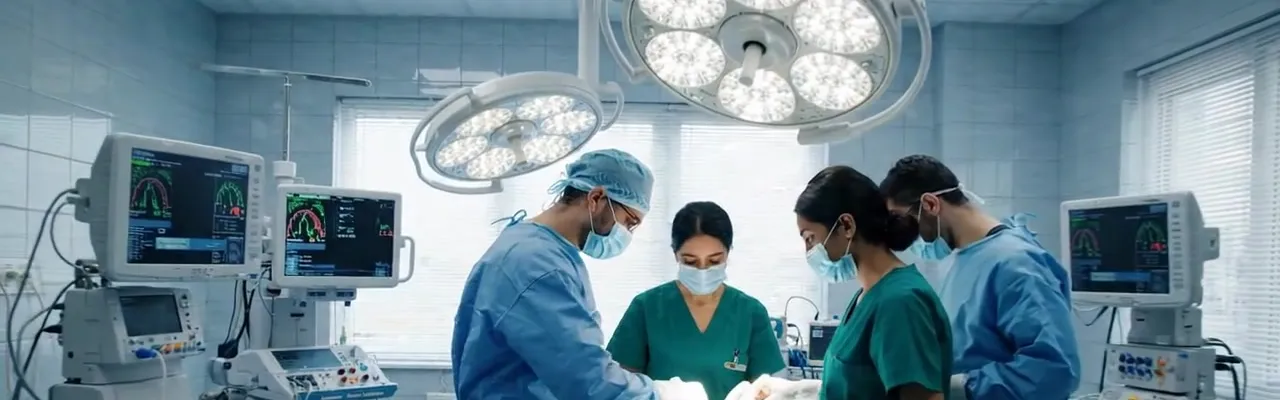
When the patient arrives in the ECT room, an intravenous line is placed. The electrodes needed for the heart monitor are placed on the chest. Electrodes for monitoring brain activity and the electrodes that will be used to deliver the electric current in the treatment are placed on the forehead with the help of a band. A cuff is placed on one arm for blood pressure monitoring. When everything has been placed and connected, a short-acting anesthetic agent (such as thiopental or etomidate) is given through the intravenous line, which puts the patient to sleep within a few minutes. When the patient is asleep, a muscle relaxant (succinylcholine) is injected, which prevents muscle contraction during the seizure except in a limited area. When the patient is fully asleep and muscle relaxation has been achieved, the treatment is given. A brief electric current is delivered to the electrodes on the scalp. This stimulates the brain and triggers a seizure lasting about one minute. Throughout the procedure, the patient is given oxygen through a mask. When the procedure ends, the patient is taken to the recovery area to be monitored by trained team members. The patient can usually leave the recovery area within 30 minutes.
Is electroconvulsive therapy curative?
ECT can effectively eliminate many mental complaints. To prevent recurrence of the illness after ECT, many patients need to continue treatment with medication or ECT. If it is used to prevent relapse, ECT is given to outpatients at a frequency between once a week and once a month.
How safe is electroconvulsive therapy?
The likelihood of death and serious medical complications associated with ECT is lower than with many of the medications used to treat psychiatric illnesses. Because of this high safety, ECT is recommended in patients with serious medical conditions. Thanks to modern anesthesia practices, problems with dislocations, fractures and teeth are extremely rare.
What are the common side effects of electroconvulsive therapy?
While waking from the treatment, patients experience a brief period of mental confusion. This is partly due to the anesthesia and partly due to the treatment. This confusion often ends completely within an hour. Some patients have a headache after treatment, and this pain often goes away with painkillers such as aspirin. Other side effects such as nausea last at most a few hours and are relatively less common. In people with heart disease, heart-related problems may occur. Other measures, such as monitoring the heartbeat with a monitor and using additional medication if necessary, make a safe procedure possible.
The most common side effects of ECT are memory problems. There may be difficulties in learning new things and in remembering recent events. Memory problems can last up to 6 months.
For information only; consult your doctor.